
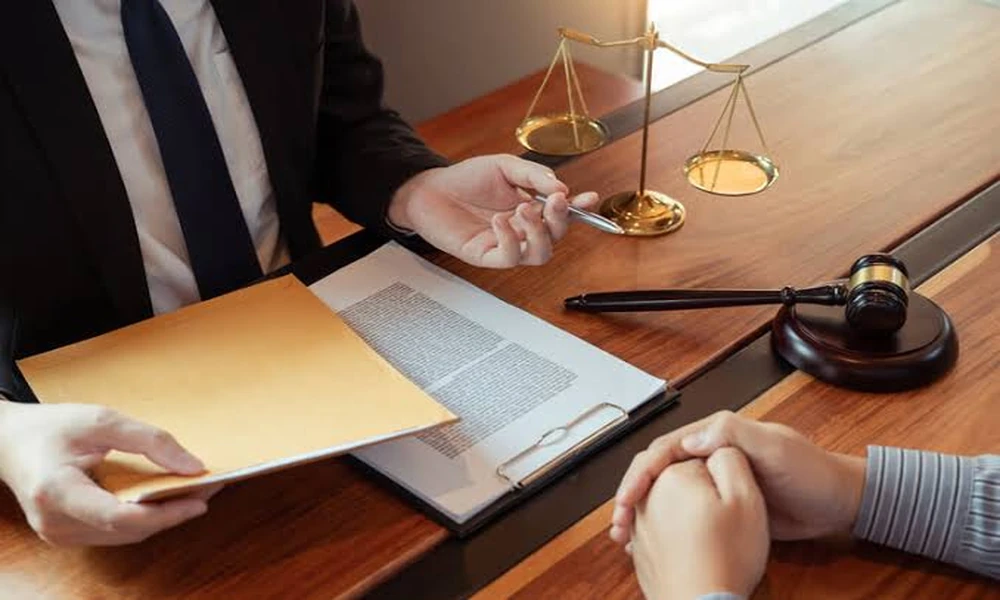
Military service members are held to a unique legal system that differs from civilian courts. When legal issues arise within the armed forces, the process is governed by the Uniform Code of Military Justice (UCMJ), a body of law designed specifically for military personnel. Because these cases involve specialized rules and procedures, working with an experienced UCMJ defense lawyer can play an important role in protecting a service member’s legal rights throughout the process.
Whether facing allegations of misconduct, disciplinary action, or criminal charges, understanding how military justice works helps service members and their families make informed decisions. This article explains the role of a UCMJ Defense Lawyer, the types of cases they handle, and why experienced legal representation is valuable in military proceedings.
What Is a UCMJ Defense Lawyer?
A UCMJ Defense Lawyer is a legal professional who represents military personnel accused of violating the Uniform Code of Military Justice. Unlike civilian criminal law, military law follows its own procedures, rules of evidence, and disciplinary standards.
Military attorneys may represent clients in various proceedings, including courts-martial, administrative hearings, and investigations. Their primary responsibility is to ensure that service members receive fair treatment and that their legal rights are respected throughout every stage of the military justice process.
Understanding the Uniform Code of Military Justice
The Uniform Code of Military Justice serves as the legal foundation for discipline within the United States Armed Forces. It applies to active-duty service members and, in certain situations, members of reserve components and other individuals subject to military jurisdiction.
The UCMJ outlines:
- Criminal offenses unique to military service
- Procedures for investigations and trials
- Rules governing courts-martial
- Rights of accused service members
- Standards for military discipline
Unlike civilian criminal cases, military justice aims not only to determine guilt or innocence but also to maintain good order and discipline within the armed forces.
Common Cases Handled by a UCMJ Defense Lawyer
Military defense attorneys represent service members facing a wide range of legal matters. Each case requires careful analysis of military law and the specific facts involved.
Courts-Martial
A court-martial is the military’s criminal trial process. Depending on the seriousness of the allegations, cases may proceed as:
- Summary court-martial
- Special court-martial
- General court-martial
Potential penalties can range from administrative consequences to confinement, reduction in rank, forfeiture of pay, or discharge from military service.
Administrative Separation Proceedings
Not all military legal matters involve criminal charges. Administrative separation boards determine whether a service member should remain in the military after allegations involving misconduct, poor performance, or other concerns.
Although these proceedings are administrative rather than criminal, they can significantly affect future employment opportunities and veterans’ benefits.
Non-Judicial Punishment
Service members may also face non-judicial punishment (NJP), sometimes referred to under Article 15 in certain branches of service. While NJP is less severe than a court-martial, it may still affect promotions, pay, assignments, and military records.
A defense lawyer can explain available rights before accepting or contesting the proposed disciplinary action.
Military Investigations
Military investigations often begin long before formal charges are filed. During this stage, investigators gather evidence and interview witnesses.
Legal representation early in an investigation helps ensure that service members understand their rights before making statements or responding to questioning.
Why Military Law Requires Specialized Knowledge
Military law differs from civilian law in several important ways. The procedures, legal standards, and disciplinary expectations are specifically designed for military service.
A UCMJ Defense Lawyer understands:
- Military rules of evidence
- Court-martial procedures
- Command authority
- Military regulations
- Service-specific policies
This specialized knowledge allows attorneys to identify legal issues that may not arise in civilian criminal cases.
The Role of a Defense Lawyer Throughout the Process
Military legal proceedings often involve multiple stages, each requiring careful preparation and legal analysis.
Reviewing the Evidence
One of the first responsibilities of a defense lawyer is evaluating the available evidence. This includes reviewing investigation reports, witness statements, digital records, and other relevant materials.
Careful review may reveal weaknesses, inconsistencies, or procedural issues that could affect the outcome of the case.
Protecting Legal Rights
Every accused service member has legal rights under military law. A defense attorney helps ensure those rights are respected throughout investigations and court proceedings.
This may include advising clients before interviews, challenging improperly obtained evidence, and ensuring fair legal procedures are followed.
Preparing a Defense Strategy
Every military case presents unique facts and circumstances. A defense lawyer develops a legal strategy based on the evidence, applicable law, and the client’s objectives.
Possible approaches may involve presenting evidence, questioning witnesses, negotiating legal issues, or preparing for trial when necessary.
Factors to Consider When Choosing Legal Representation
Selecting legal representation involves more than simply finding an attorney familiar with criminal law. Military justice requires experience with the specific procedures used within the armed forces.
Important considerations include:
- Familiarity with military justice procedures
- Experience handling courts-martial
- Knowledge of military regulations
- Clear communication with clients
- Careful preparation and case evaluation
An attorney’s understanding of military law can help ensure that complex legal issues are addressed appropriately.
Potential Consequences of UCMJ Violations
Military convictions or disciplinary actions may have lasting effects beyond immediate penalties.
Depending on the circumstances, possible consequences may include:
Because these outcomes can influence both military and civilian life, understanding the legal process is essential.
Conclusion
Military justice operates under a legal framework that differs significantly from the civilian court system. The Uniform Code of Military Justice establishes specialized procedures designed to maintain discipline while protecting the rights of service members.