
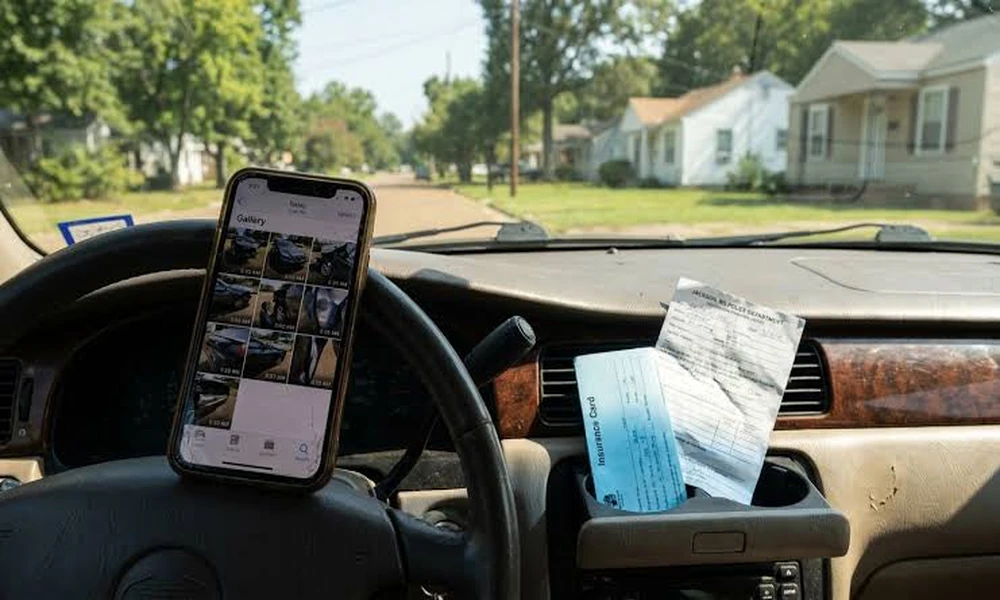
The flashing lights are gone. The damaged vehicles have been moved. Witnesses have returned to their daily routines. For most people, an accident feels like a single event that ends once the scene is cleared. In reality, another process begins almost immediately. While injured individuals focus on medical appointments, work obligations, and recovery, pieces of evidence start moving through a complex network of reports, databases, files, and investigations.
What many people never see is the path those records take after an accident is reported. A photograph captured on a phone, a statement given to an insurance representative, or a medical note written during an examination may travel farther than expected. Months later, a Spring Valley personal injury lawyer may need to piece together those scattered records to understand what happened and how the evidence connects.
Key Takeaways
· Evidence begins moving through multiple channels after an accident is reported.
· Photographs, statements, and records may be stored in different locations.
· Information can gain context or lose clarity as time passes.
· Medical records often become a key part of the evidence trail.
· Witness statements may change or become harder to obtain over time.
· Organized documentation helps preserve important details.
· Professional case reviews can help identify gaps in the available evidence.
Evidence Rarely Stays in One Place
Most people imagine evidence as something stored neatly in a single file. In reality, information often becomes scattered almost immediately.
A police report may be stored in one system. Photographs may remain on personal devices or be uploaded to insurance portals. Medical records are typically maintained by healthcare providers. Repair estimates, witness information, and communication logs often exist in separate locations.
Each record may tell part of the story, but no single document usually contains everything. Understanding an accident often requires connecting information from multiple sources that were never designed to function as one complete record.
The First Version of the Story Is Not Always the Last
Immediately after an accident, people are often dealing with shock, stress, pain, or confusion. As a result, early accounts of what happened may be incomplete.
A witness may remember additional details later. Medical symptoms that seemed minor at first can become more noticeable in the days that follow. New photographs or video footage may surface after the initial report has been completed.
This does not necessarily mean anyone is being inaccurate. It reflects the reality that information often develops over time. Evidence is rarely frozen at the moment an accident occurs. Instead, it grows as new details emerge and existing records are supplemented.
How Medical Records Become Part of the Evidence Trail
Many people view medical records as healthcare documents rather than evidence. Yet they often become one of the most important parts of the overall record.
Every appointment creates documentation. Healthcare providers record symptoms, diagnoses, treatment recommendations, and recovery progress. Over time, these records help establish how an injury developed and how it affected daily life.
Because medical documentation is created throughout the recovery process, it often provides a timeline that extends far beyond the date of the accident itself. That timeline can help connect events that might otherwise appear unrelated.
The Role of Digital Footprints
Modern accidents often generate digital evidence without people realizing it. Text messages, emails, GPS records, rideshare receipts, appointment reminders, and security camera footage can all contribute pieces of information. Even seemingly routine digital activity may help establish timing, location, or the sequence of events.
The challenge is that digital records are not always preserved indefinitely. Some systems automatically delete information after a certain period. Videos may be overwritten, and online records may become harder to retrieve as time passes. What feels easily accessible today may not be available months later.
Why Missing Evidence Creates Questions
Evidence does not need to disappear completely to create challenges. Sometimes information simply becomes harder to verify.
A witness changes phone numbers. A photograph is lost when a device is replaced. An important email is accidentally deleted. Individually, these events may seem minor, but together they can leave gaps in the overall picture.
Those gaps do not automatically determine the outcome of a claim or legal matter. However, they can make it more difficult to understand exactly what happened and how events unfolded. This is why documentation collected early often carries significant value later.
Looking Beyond Individual Documents
One common misconception is that a single piece of evidence will answer every important question. In practice, evidence works more like a collection of puzzle pieces.
A photograph may confirm conditions at the scene. Medical records may explain the physical impact. Employment records may show how recovery affected work responsibilities. Witness statements may provide additional context.
The strength of the overall picture often comes from how these pieces fit together rather than from any one document standing alone.
Understanding the Bigger Picture
As evidence moves through different systems, understanding how those records connect can become increasingly complicated. In some situations, professional legal counsel may review the available documentation not to focus on a lawsuit, but to evaluate whether the evidence tells a complete and consistent story.
A case evaluation often involves identifying missing records, understanding timelines, and determining whether important information still exists. The goal is not simply gathering paperwork. It is understanding how each piece contributes to the broader narrative.
Evidence Has a Life beyond the Accident
For most people, an accident lasts minutes. The evidence created by that accident can remain active for months or even years.
Photographs, medical notes, digital records, witness accounts, and official reports all continue their own journey long after the scene has been cleared. Some records gain importance over time. Others become harder to locate. Together, they form the history of what happened.
Understanding that hidden journey helps explain why documentation matters so much. The evidence does not simply sit in a file waiting to be reviewed. It moves, grows, changes, and connects with other information, creating the story that remains long after the accident itself.

